Tactical Hydrogen Fuel Cell Systems for Portable & Field Power

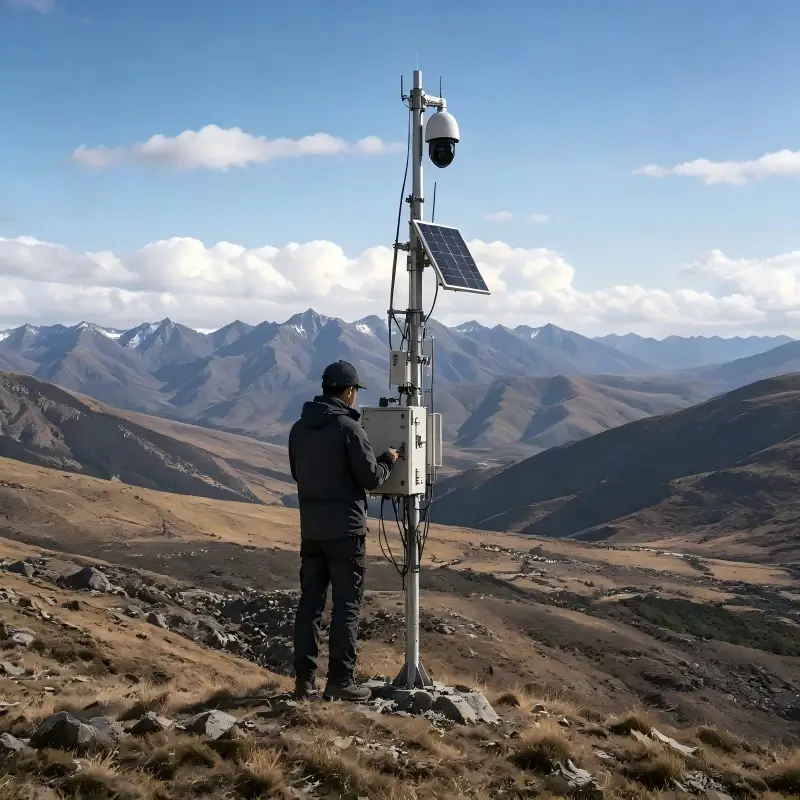
SOLIDHYDRO develops tactical hydrogen fuel cell systems for man-portable equipment, surveillance, communications, remote field operations and other applications requiring reliable long-duration power.

Our tactical power platform combines solid-state metal hydride hydrogen storage and reformed methanol fuel cell (RMFC) technologies. HYDRA-M and HYDRA-R provide different approaches to tactical power based on mission duration, fuel logistics, operating environment and deployment requirements.

The Tactical Hydrogen Power Challenge: Weight, Signatures & Logistics

Weight, acoustic signature and fuel logistics are critical considerations for tactical power systems. SOLIDHYDRO addresses these requirements with solid-state hydrogen storage and methanol reforming technologies designed for portable and long-duration field power.

Weight and Mobility

Portable tactical power systems must balance electrical output with total system weight. Reducing the amount of fuel and equipment carried by operators can improve mobility during extended field operations.

For a practical approach to estimating power requirements for soldier-worn electronics and man-portable equipment, see our 60W Man-Portable Power Sizing Guide.

Acoustic and Thermal Signatures

Conventional generators can produce significant acoustic and thermal signatures during operation. For surveillance and remote field missions, a lower-signature power source can help reduce the operational impact of power generation.

Fueling and Operational Downtime

Extended battery charging and complex fuel logistics can limit field deployment. Tactical fuel cell systems provide continuous electrical generation while allowing the power source to be replenished according to the selected fuel architecture.

HYDRA-M: Solid-State Metal Hydride Hydrogen Fuel Cell

≥1,200 Wh/kg Hydrogen Fuel Energy Density

Hydrogen fuel can provide up to 1,200 Wh/kg of energy density, supporting extended portable operation with a compact fuel supply.

Near-Ambient-Pressure Solid-State Hydrogen Storage

Hydrogen is stored within a solid metal hydride material at near-ambient pressure, eliminating the need for conventional high-pressure hydrogen cylinders.

Non‑DG Transport Eligible

Depending on the applicable transport configuration and regulations, HYDRA-M metal hydride fuel can be eligible for Non-Dangerous Goods transport, simplifying logistics compared with certain regulated fuel and battery shipments.

Silent Watch Hydrogen Power: ≤45 dB

With acoustic output of ≤45 dB under specified operating conditions, HYDRA-M is designed for applications where low acoustic output is important, including surveillance and silent-watch operations.

-40°C Cold Start

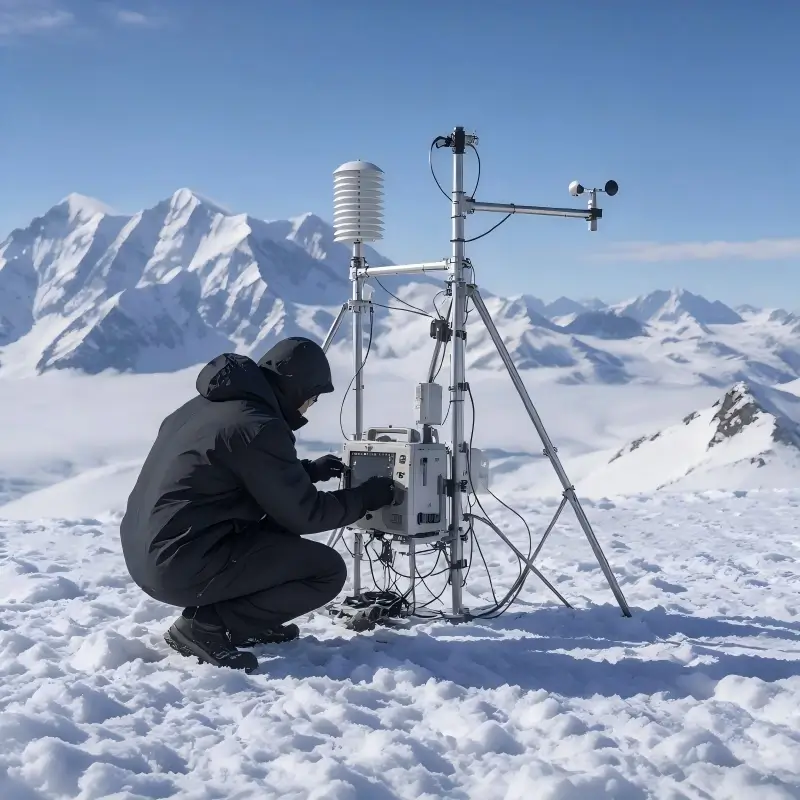
Designed for operation from approximately -40°C to +55°C, HYDRA-M supports demanding cold-weather and extreme-environment field applications.

📌Best For: Tactical Fuel Battery for Portable & Field Power

HYDRA-M provides a portable tactical fuel battery solution for man-portable equipment, surveillance systems, communications equipment and UAV ground-power applications requiring extended operation and rapid cartridge replacement.

HYDRA-R: Reformed Methanol Fuel Cell for Tactical Power

Best For: Border Patrol | Routine Surveillance | Cost‑Sensitive Deployments | Long‑Duration Monitoring

Fuel Cost Considerations

Methanol can provide a practical liquid-fuel option for cost-sensitive, long-duration deployments. Actual fuel cost depends on fuel price, system efficiency, operating conditions and mission requirements.

Beyond DMFC

HYDRA-R generates hydrogen from methanol through an integrated reforming process before supplying it to the fuel cell stack. This architecture differs from direct methanol fuel cell systems and is designed for long-duration operation.

Globally Deployable

Methanol is available through established global fuel supply networks, which can simplify fuel logistics for deployments where liquid methanol is practica

24/7 Autonomous Tactical Powe

HYDRA-R is designed for long-duration surveillance and remote monitoring applications where extended operation and reduced operator intervention are important.
Two Tactical Hydrogen Fuel Cell Architectures

Although both systems ultimately generate electricity through a PEM-based fuel cell architecture, they use different methods to supply hydrogen.

HYDRA-M: Solid-State Hydrogen Storage

HYDRA-M stores hydrogen in a solid-state metal hydride material and releases the hydrogen under controlled conditions for the PEM fuel cell.

Energy pathway:

Solid-State Metal Hydride → Hydrogen Release → PEM Fuel Cell → Electricity

This architecture is particularly relevant to portable field power where solid-state hydrogen storage, rapid fuel replacement and low acoustic output are important.

HYDRA-R: Methanol Reforming

HYDRA-R stores methanol as a liquid energy carrier and generates hydrogen through an onboard reforming process before the hydrogen enters the fuel cell stack.

Energy pathway:

Methanol → Reforming → Hydrogen → HT-PEM Fuel Cell → Electricity

This architecture is particularly relevant to long-duration applications where liquid-fuel logistics and methanol availability are practical.

The difference between these two architectures affects fuel storage, transportation, refueling, system efficiency, maintenance and long-duration operation.

For a detailed engineering comparison, see

HYDRA-M vs. HYDRA-R: Key Mission Considerations

Mission ConsiderationHYDRA-MHYDRA-R
Hydrogen source Solid-state metal hydride Methanol reforming
Primary fuel logistics Solid-state hydrogen fuel Liquid methanol
Hydrogen storage Near-ambient-pressure solid-state storage Generated on demand
Typical deployment Portable and field power Long-duration remote power
Fuel replacement Rapid cartridge replacement Liquid methanol refill
Key consideration Portability, low acoustic output and solid-state storage Liquid-fuel logistics and extended autonomous operation

The appropriate architecture depends on mission duration, power requirements, fuel availability, operating environment and logistics constraints.

For the detailed comparison of energy density, fuel logistics, efficiency, acoustic and thermal signatures, runtime and other engineering factors, see Methanol Fuel Cell vs. Hydrogen: Tactical Power Comparison.

Tactical Fuel Battery for Portable & Field Power

A tactical fuel battery uses fuel-cell power generation with a replenishable fuel source to provide continuous electrical power for portable and field equipment.

HYDRA-M provides a tactical fuel battery approach for man-portable equipment, surveillance systems, communications and UAV ground-power applications requiring extended operation and rapid fuel replacement.

Unlike a battery-only system, a fuel cell can continue generating electricity when additional fuel is supplied.

For a detailed comparison of solid-state metal hydride and methanol-based tactical fuel battery technologies, see Tactical Fuel Battery.

Tactical Hydrogen Fuel Cell Applications

Man-Portable Tactical Power

Tactical hydrogen fuel cells can provide continuous electrical power for portable electronics, communications equipment, sensors and other field equipment.

HYDRA-M is designed for applications where portability, rapid fuel replacement and low acoustic output are important.

Surveillance and Silent Watch

Remote surveillance systems may require continuous power while minimizing the acoustic signature associated with conventional combustion generators.

Fuel cell systems can provide a lower-acoustic-output power source for selected surveillance and monitoring applications.

Remote Communications

Field communications equipment can require reliable power for extended deployments.

A tactical fuel cell can operate as a continuous power source while reducing dependence on large battery reserves.

Remote Monitoring and Infrastructure

Remote sensors and monitoring systems may need to operate for long periods with limited access for maintenance or refueling.

HYDRA-R can support long-duration remote monitoring where liquid methanol logistics are practical, while HYDRA-M provides a solid-state hydrogen option for portable deployments.

Emergency Response

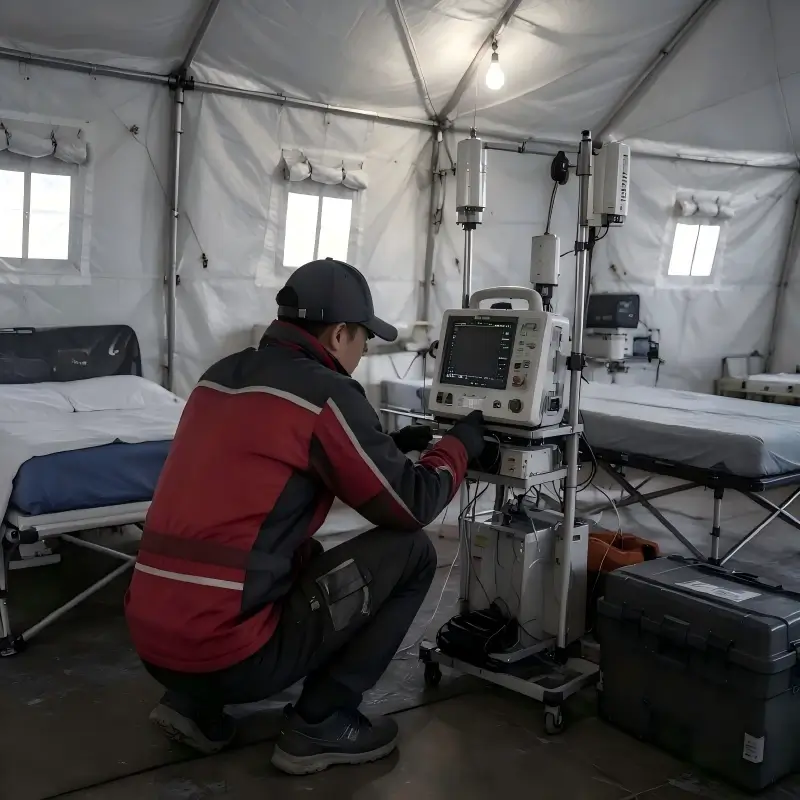
Fuel cell power can support emergency-response equipment, temporary communications and remote field operations where reliable portable electricity is required.

UAV Ground Power

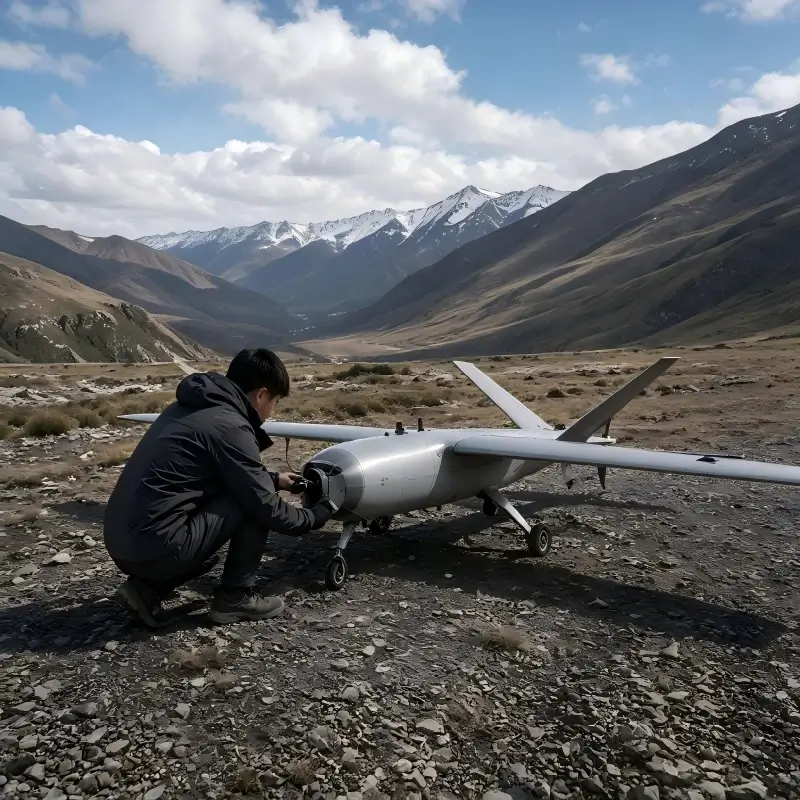
Fuel cell technology can support UAV operations through both onboard propulsion and ground-based energy systems, depending on the system architecture.

HYDRA-M 120W is designed for UAV ground power and ground charging rather than onboard UAV propulsion.

For onboard UAV hydrogen propulsion, see UAV Hydrogen Fuel Cell Solutions.

Tactical Hydrogen Fuel Cell Technology Comparison

FeatureHYDRA‑M HYDRA-RDiesel GeneratorLi-Ion Battery
Primary energy pathway Solid-state hydrogen + PEMFC Methanol reforming + HT-PEMFC Combustion Electrochemical storage
Rated power 60W / 120W 60W Application dependent Application dependent
Hydrogen storage Solid metal hydride Generated on demand — —
Fuel replacement Rapid cartridge replacement Liquid methanol refill Fuel refill Charging
Acoustic output ≤45 dB under specified conditions Low-output fuel cell architecture Typically higher Near-silent
Portable deployment Yes Yes Application dependent Yes

Each architecture has different operating and logistics characteristics. System selection should consider power demand, mission duration, fuel availability, environmental conditions and deployment requirements.

Tactical Fuel Cell Applications by Mission

ApplicationSuitable PlatformKey Consideration
Man-Portable Tactical Power HYDRA-M Solid-state hydrogen storage and rapid fuel replacement
Surveillance & Communications HYDRA-M or HYDRA-R Reliable long-duration field power
Remote Monitoring HYDRA-M / HYDRA-R Extended unattended operation
UAV Ground Power HYDRA-M UAV battery charging and field support
Emergency Response HYDRA-M or HYDRA-R Portable or continuous field power
Remote Infrastructure HYDRA-R Long-duration liquid-fuel operation

Emergency Response

Polar High‑Altitude Research

Remote Border Surveillance

Tactical UAV & UGV

Tactical Hydrogen Fuel Cell System Specifications

SpecificationHYDRA-M 60W (Portable)HYDRA-M 120W (High-Power)HYDRA-R 60W
Technology Solid-State Metal Hydride + PEMFC Solid-State Metal Hydride + PEMFC Reformed Methanol Fuel Cell
Rated Power 60W ≥120W 60W
System Total Weight 5.45kg (Inc. Fuel) Configuration dependent Configuration dependent
Operating Temperature -40°C to +55°C -40°C to +55°C -40°C to +55°C
Fuel Replacement <60 sec (Cartridge Swap) <60 sec (Cartridge Swap) 5–10 min
Typical Application Man-portable power Ground power / UAV charging Long-duration remote power
Hydrogen Source Metal Hydride Metal Hydride Methanol Reforming

Frequently Asked Questions

Q1: What is the difference between HYDRA-M and HYDRA-R?

 A: HYDRA-M uses solid-state metal hydride hydrogen storage with a PEM fuel cell, while HYDRA-R generates hydrogen from methanol through a reforming process and supplies it to a high-temperature PEM fuel cell.

The appropriate system depends on mission duration, fuel logistics, operating environment and deployment requirements.

 A: HYDRA-R uses methanol as its liquid energy carrier. Where methanol is readily available, this can simplify fuel sourcing and long-duration deployment logistics compared with systems requiring specialized solid-state hydrogen fuel supplies.

 A: Yes. HYDRA-M and HYDRA-R address different tactical power requirements. HYDRA-M can support portable field power, while HYDRA-R can support longer-duration remote monitoring where liquid methanol logistics are practical.

 A: Choose HYDRA-M for missions requiring maximum safety, zero-pressure storage, extreme cold reliability, and where specialized supply chains are available. Choose HYDRA-R for cost-effective, globally deployable power where supply chain simplicity and lowest fuel cost are top priorities.

 A: A metal hydride fuel cell combines hydrogen storage in a metal hydride material with a fuel cell stack. Hydrogen is stored within the solid material and released under controlled conditions before being supplied to the PEM fuel cell to generate electricity.

Learn more about the HYDRA-M Series.

 A: A tactical hydrogen fuel cell is a portable power system that uses hydrogen to generate electricity for field equipment, surveillance systems, communications equipment and other remote or mobile applications.

 A: A tactical fuel battery is a portable fuel-cell-based power system designed to provide continuous electrical power using a replenishable fuel source.

Unlike a battery-only system, a fuel cell can continue generating power when additional fuel is supplied.

 A: HYDRA-M 60W can provide up to approximately 27 hours of operation with a 1.35 kg fuel canister under specified operating conditions. Actual runtime depends on electrical load, operating conditions and system configuration.

A: HYDRA-M stores hydrogen within a solid metal hydride material rather than in a conventional high-pressure gas cylinder.

This near-ambient-pressure storage architecture reduces the need for high-pressure hydrogen storage equipment and can simplify handling and field deployment.

A: Yes, depending on the system architecture.

HYDRA-M 120W is designed for UAV ground power and ground charging, while HYDRA-G 3.3kW is designed for onboard UAV power and propulsion.

For onboard UAV applications, see UAV Hydrogen Fuel Cell Solutions.


Tactical Hydrogen Fuel Cell Systems for Your Mission

Our engineering team can help evaluate your power requirements, mission duration, operating environment and fuel logistics to identify a suitable HYDRA-M or HYDRA-R configuration.

Talk to SOLIDHYDRO

Need technical information, product specifications or application support? Contact our engineering team.

Whatsapp

+86 19813722676

Socials

Click or drag files to this area to upload.You can upload up to 5 files.