مدونة

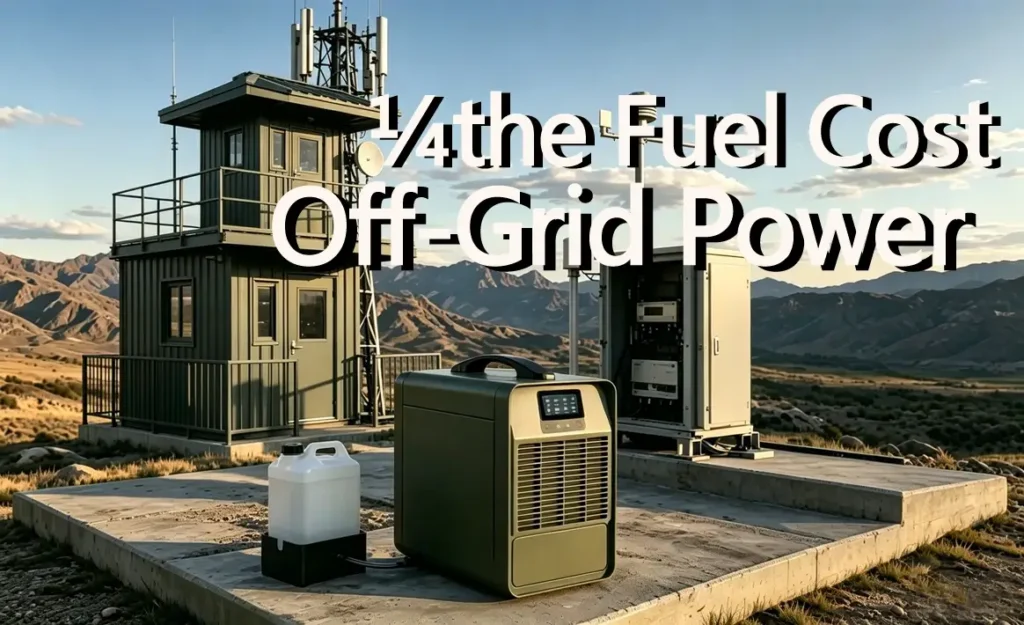
¼تكلفة الوقود: إعادة تشكيل الميثانول مقابل توليد الطاقة بالديزل خارج الشبكة

The cost challenge of off‑grid power is deceptively simple: the equipment isn’t expensive — but running it is. When a power source is shipped to a remote base station, border outpost, or island site, the purchase price is just the beginning. Fuel transport, maintenance labour, downtime losses — every category steadily eats into the budget. […]

¼تكلفة الوقود: إعادة تشكيل الميثانول مقابل توليد الطاقة بالديزل خارج الشبكة قراءة المزيد »
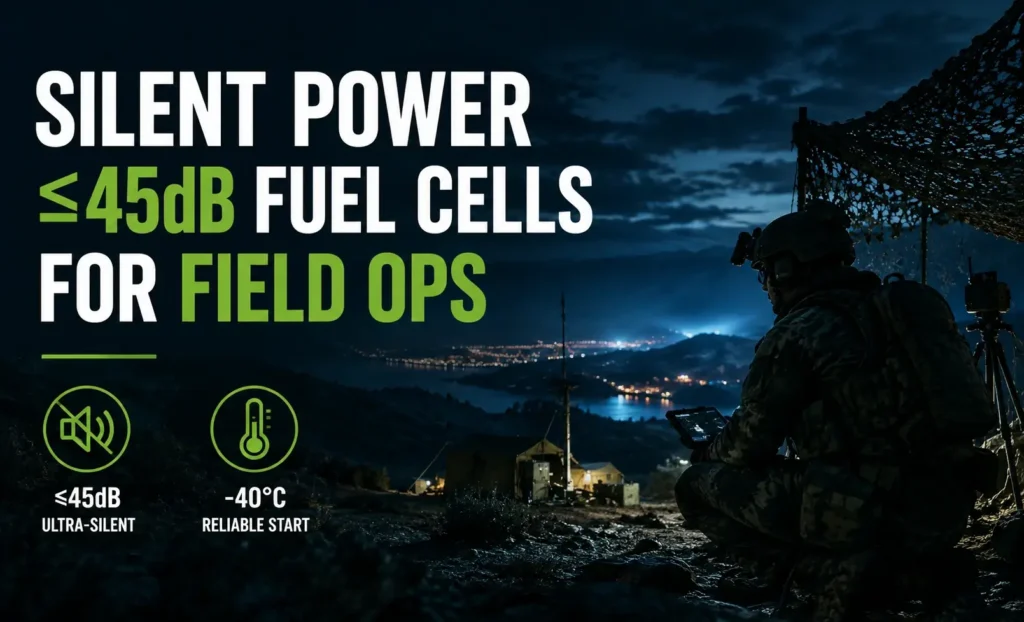
القوة الصامتة: كيف تعيد خلايا الوقود التي لا يتجاوز مستوى ضجيجها 45 ديسيبل تعريف العمليات الميدانية

In field operations, the gap between “hearing” and “being heard” is often the line between mission success and compromise. Diesel generators operate at 70–85dB — equivalent to heavy city traffic. At night, that noise can be detected by acoustic sensors from 500 metres away. The hum of a single generator is enough to reveal an

القوة الصامتة: كيف تعيد خلايا الوقود التي لا يتجاوز مستوى ضجيجها 45 ديسيبل تعريف العمليات الميدانية قراءة المزيد »

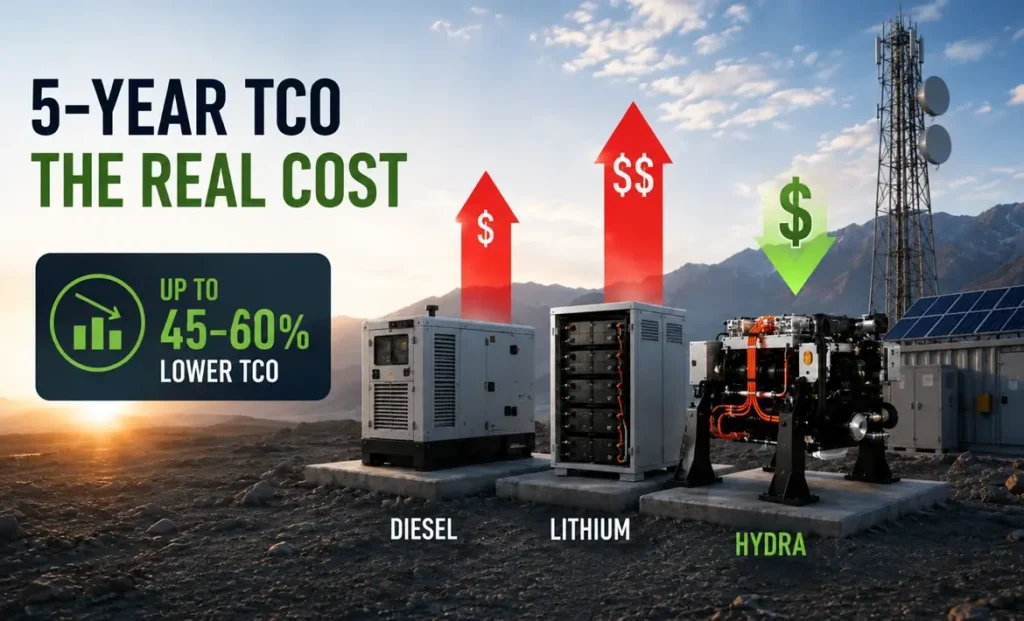
التكلفة الإجمالية للملكية على مدى 5 سنوات: خلايا الوقود الهيدروجينية مقابل الديزل مقابل الليثيوم

How much does a hydrogen fuel cell cost over five years compared with diesel generators and lithium batteries? The answer depends on more than the initial purchase price. For off-grid, remote and long-duration power applications, the real cost of a power system includes equipment, fuel or energy, maintenance, logistics, replacement and downtime. This guide compares

التكلفة الإجمالية للملكية على مدى 5 سنوات: خلايا الوقود الهيدروجينية مقابل الديزل مقابل الليثيوم قراءة المزيد »

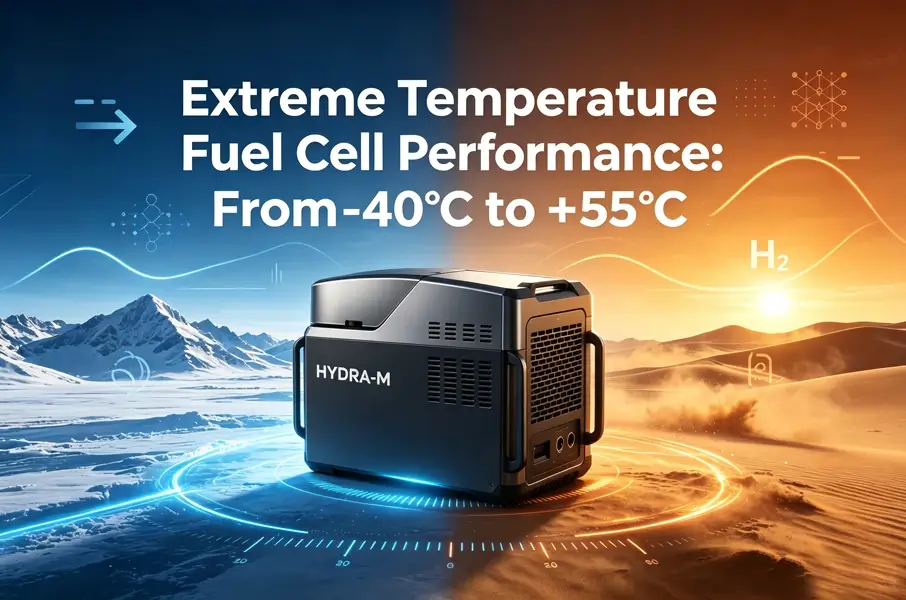
أداء خلايا الوقود في درجات الحرارة القصوى: من -40 درجة مئوية إلى +55 درجة مئوية

When a power system is deployed in an extreme environment, temperature is not just an operating condition. It can determine whether the system starts, how much power it can deliver, how often it needs maintenance, and whether it can remain operational without continuous logistical support. At -40°C, conventional batteries can experience significant reductions in available

أداء خلايا الوقود في درجات الحرارة القصوى: من -40 درجة مئوية إلى +55 درجة مئوية قراءة المزيد »

طاقة الطائرات بدون طيار التي تعمل خارج نطاق الرؤية (BVLOS): الدليل الشامل لاختيار أنظمة الدفع

Beyond Visual Line of Sight (BVLOS) operations represent the next frontier in commercial drone deployment. But unlocking BVLOS requires more than regulatory approval—it demands a propulsion system that can deliver the endurance, reliability, and payload capacity that line-of-sight operations never required.For BVLOS UAVs, propulsion selection directly affects flight endurance, payload capacity, mission range, operating environment,

طاقة الطائرات بدون طيار التي تعمل خارج نطاق الرؤية (BVLOS): الدليل الشامل لاختيار أنظمة الدفع قراءة المزيد »

ما وراء الديزل: HYDRA‑G 120 كيلوواط — طاقة صناعية خارج الشبكة

The challenge of off‑grid industrial power is deceptively simple: you need reliable electricity, but diesel generators are consuming your margins. A remote mining site, a border radar station, an off‑grid 5G base station — these sites share one thing in common: no grid access, requiring on‑site power generation. Diesel generators appear to be the only

ما وراء الديزل: HYDRA‑G 120 كيلوواط — طاقة صناعية خارج الشبكة قراءة المزيد »

طائرة بدون طيار تعمل بخلايا الوقود الكهروكيميائية الغشائية (PEMFC) التي تعمل بالهيدروجين: كيفية تحقيق رحلة طويلة المدى

Long-endurance UAV missions place fundamentally different demands on a power system than short-duration drone operations. Inspection, surveillance, mapping, communications, and other BVLOS applications may require several hours of continuous flight while maintaining sufficient payload capacity and reliable power delivery. Hydrogen proton exchange membrane fuel cells (PEMFCs) offer an alternative to battery-only propulsion by separating the

طائرة بدون طيار تعمل بخلايا الوقود الكهروكيميائية الغشائية (PEMFC) التي تعمل بالهيدروجين: كيفية تحقيق رحلة طويلة المدى قراءة المزيد »

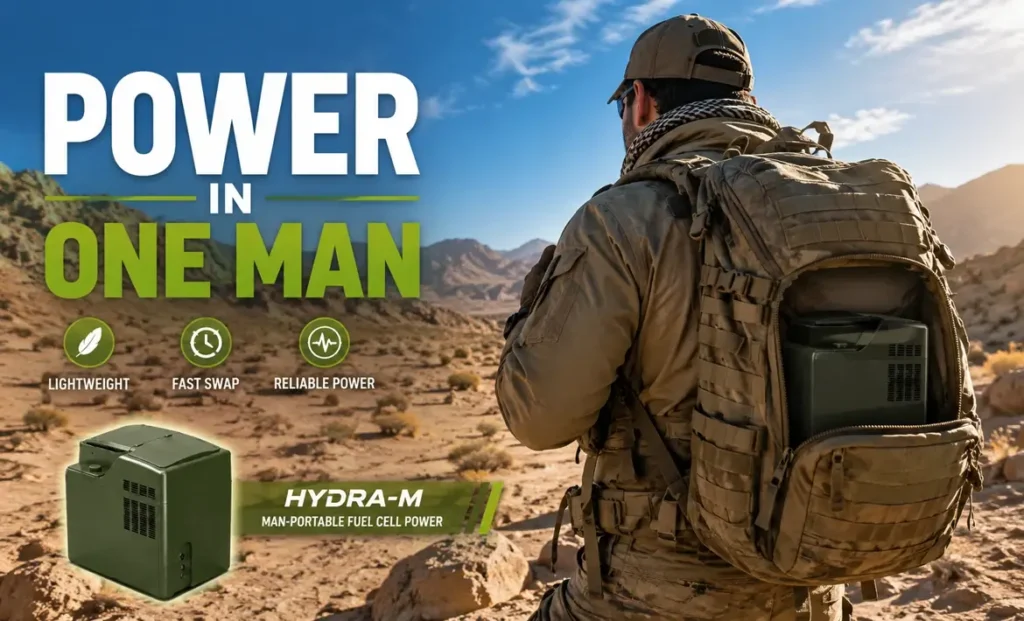
مصدر طاقة محمول بقدرة 60 واط: دليل تحديد الحجم للعمليات الميدانية

The list of electronic devices carried by modern field personnel is expanding at an extraordinary pace. Night vision goggles, thermal imaging sights, tactical communication radios, tablet terminals, portable computing gateways, drone remote controllers, GPS units — every piece of equipment consumes power, and every watt of power ultimately translates into weight in the pack. The

مصدر طاقة محمول بقدرة 60 واط: دليل تحديد الحجم للعمليات الميدانية قراءة المزيد »

سلامة خلايا الوقود الهيدريدية المعدنية في تطبيقات الطاقة الميدانية

For portable, tactical, UAV and remote power systems, hydrogen fuel cells must deliver electrical power without creating unnecessary complexity in hydrogen storage, transportation and field handling. A metal hydride fuel cell combines a fuel cell power system with hydrogen stored in a solid-state metal hydride material. Instead of relying exclusively on conventional high-pressure hydrogen cylinders,

سلامة خلايا الوقود الهيدريدية المعدنية في تطبيقات الطاقة الميدانية قراءة المزيد »

دليل تكنولوجيا خلايا الوقود: مقارنة بين خلايا الوقود ذات الغشاء التبادلية (PEMFC) وخلايا الوقود ذات الغشاء المرن (RMFC) وخلايا الوقود الصلبة التي تعمل بهيدريد المعادن

In the world of fuel cells, the question is never “which one is the best?” — it is always “which one fits your mission best?” This article breaks down three major technological approaches: solid‑state metal hydride (paired with a PEMFC stack), PEMFC (using compressed hydrogen), and RMFC (reformed methanol fuel cell). We put solid‑state metal

دليل تكنولوجيا خلايا الوقود: مقارنة بين خلايا الوقود ذات الغشاء التبادلية (PEMFC) وخلايا الوقود ذات الغشاء المرن (RMFC) وخلايا الوقود الصلبة التي تعمل بهيدريد المعادن قراءة المزيد »